Mastering the Craft: Your Essential Cold Process Soap Making Supplies List
Starting a soap-making journey requires more than just a recipe; it demands precision, safety, and the right tools. Whether you are an artisanal hobbyist or looking to scale into industrial production, having a comprehensive cold process soap making supplies list is the foundation of a successful batch. The cold process method allows for complete creative control over ingredients and scents, but it involves a chemical reaction called saponification that requires specific equipment to ensure safety and product quality. In this guide, we will explore the must-have tools and how industrial-grade filtration enhances the final result.

Essential Safety Gear for Every Soap Maker
Safety is the most critical aspect of any cold process soap making supplies list because of the use of sodium hydroxide (lye). Lye is highly caustic and can cause severe burns if handled improperly. To protect yourself, you must use chemical-resistant gloves, safety goggles to prevent splashes in the eyes, and long-sleeved clothing. Additionally, working in a well-ventilated area is non-negotiable to avoid inhaling the fumes produced during the initial mixing of lye and water. Investing in high-quality safety gear ensures that your creative process remains a pleasure rather than a hazard.
Safety Tip: Always add lye to water, never water to lye. This prevents a "volcano effect" where the mixture erupts out of the container due to an immediate exothermic reaction.
Mixing and Measuring Tools in the Supplies List
Precision is the difference between a luxurious bar of soap and a failed batch. You cannot rely on volume measurements; you must use a digital scale to measure all ingredients by weight. Your cold process soap making supplies list should include stainless steel or heat-resistant plastic pitchers. Avoid aluminum at all costs, as lye reacts violently with it. For mixing, a stick blender (immersion blender) is essential for reaching "trace" quickly, ensuring a stable emulsion of oils and lye water that won't separate during the curing process.
Comparing Manual Tools vs. Industrial Equipment for Soap Making
As a soap business grows, the transition from handheld tools to specialized machinery becomes necessary. While a handheld whisk works for small batches, industrial mixing cylinders and filter cylinders ensure a level of consistency that manual labor cannot match. The primary advantage of industrial equipment is the ability to remove solid residues and unreacted raw materials, which prevents uneven textures and ensures a professional, smooth appearance. Below is a comparison of the tools found on a beginner's cold process soap making supplies list versus professional manufacturing gear.
Advanced Filtration for Professional Soap Quality
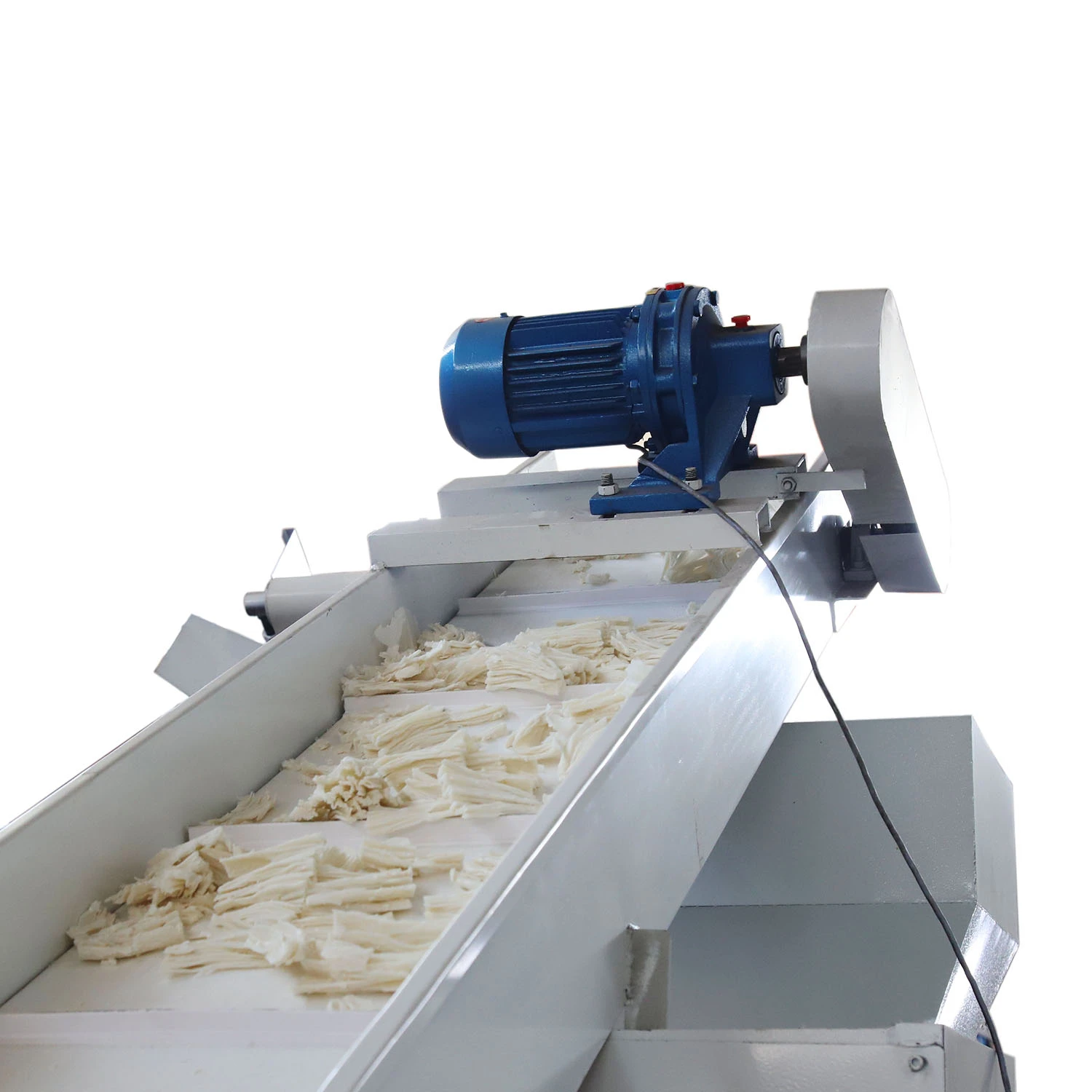
For those scaling their operation, the cold process soap making supplies list evolves to include specialized filtration. Within a saponification pot, the filter cylinder is a game-changer. It ensures that the soap mass remains free of solid residues and unreacted raw materials, which could otherwise cause "soda ash" or grainy textures. In a mixing cylinder, this equipment captures impurities and prevents clumping, allowing subsequent processes such as extrusion, drying, and stamping to operate with maximum efficiency. This results in a professional appearance that is essential for consumer-focused industrial soap products.

Molding and Curing Equipment Specifications
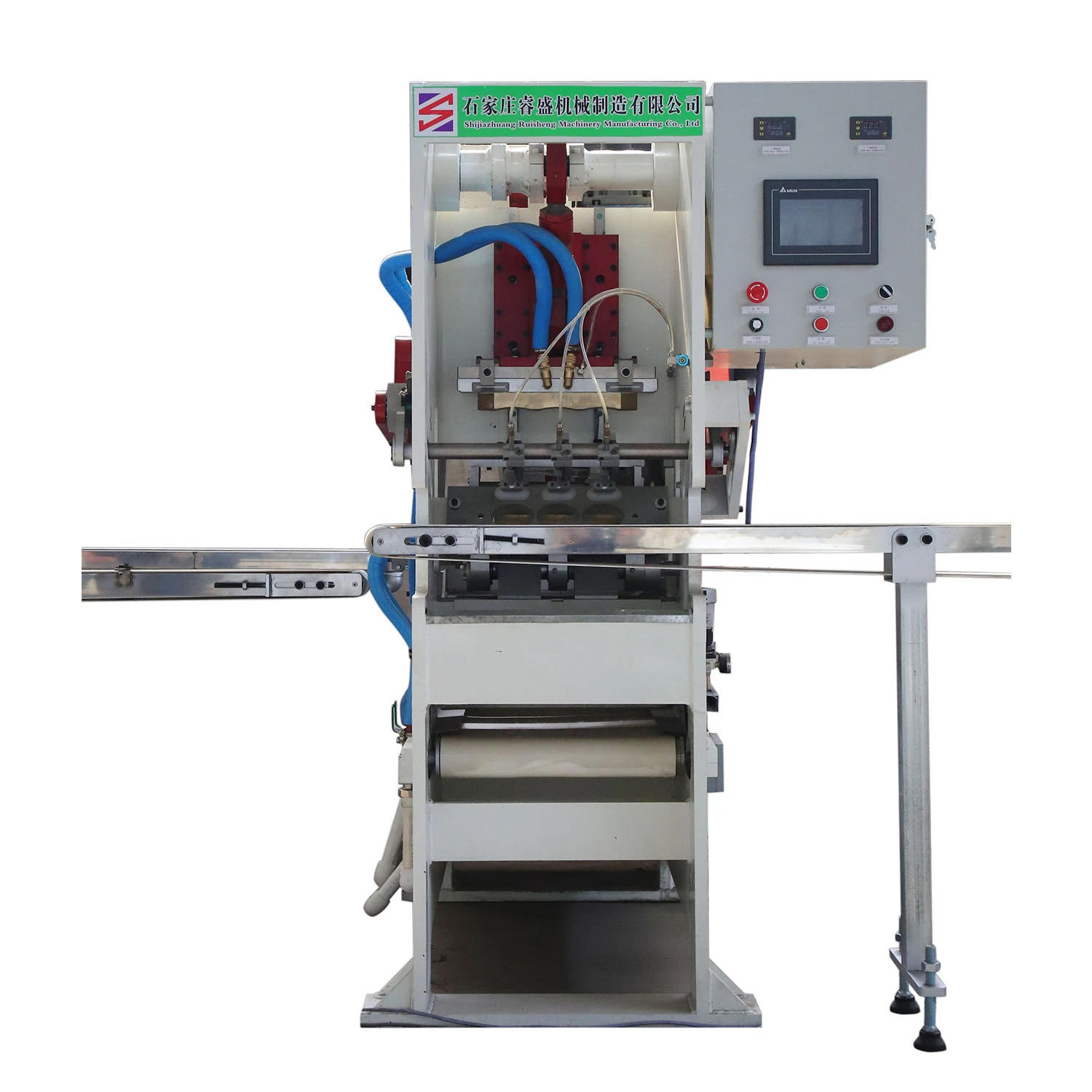
Once the soap has reached trace and is poured, the molding and curing phase begins. Silicone molds are preferred for their ease of release, while wooden molds lined with freezer paper are used for larger slabs. However, industrial setups utilize precise extrusion and stamping machines. To ensure the highest quality, the soap mass must be uniform before it hits the mold. The following table outlines the specifications for standard curing and molding components typically found in a professional cold process soap making supplies list.
Optimizing Your Workflow with the Right Equipment
Integrating professional equipment into your cold process soap making supplies list does more than just increase volume; it optimizes the entire chemical process. By utilizing dedicated saponification pots and mixing cylinders, manufacturers can maintain precise temperature control, which is vital for preventing "volcanoes" or "ricing." When impurities are captured by filter cylinders at the right production points, the resulting soap maintains a professional smoothness and uniformity. This technical edge allows businesses to move from artisanal batches to industrial-scale production without sacrificing the quality that consumers expect from high-end soap products.
Conclusion: Elevating Your Soap Production
Building a comprehensive cold process soap making supplies list is the first step toward creating a superior product. From the essential safety goggles and digital scales to industrial filter cylinders and mixing equipment, every tool plays a role in the final quality. By focusing on purity, precision, and professional-grade machinery, you can ensure your soap is smooth, consistent, and visually appealing. Whether you are starting small or expanding your factory, investing in the right equipment is an investment in your brand's reputation.
Frequently Asked Questions (FAQs)
Why is a digital scale necessary for cold process soap making?
In cold process soap making, precision is paramount. Volume measurements (like cups or spoons) are unreliable because different oils and lye have different densities. A digital scale allows you to measure ingredients to the gram, which is essential for calculating the correct "superfat" percentage. This ensures that all the lye is fully reacted with the oils, resulting in a bar of soap that is safe for the skin and not caustic. Without an accurate scale, you risk creating soap that is either too oily or potentially dangerous.
What is the role of a filter cylinder in industrial soap production?
A filter cylinder is a critical component in industrial saponification and mixing. Its primary role is to act as a safeguard, capturing any solid residues, unreacted raw materials, or impurities that may be present in the soap mass. By removing these contaminants, the filter cylinder prevents clumping and ensures a smooth, uniform texture. This is particularly important for the efficiency of subsequent steps, such as extrusion and stamping, as it prevents machinery from clogging and ensures the final product has a professional, high-end finish.
Can I use any plastic container for mixing lye?
No, you must use plastics that are chemically resistant to lye, such as HDPE (High-Density Polyethylene) or PP (Polypropylene). Lye can melt or react with certain types of plastics, which could contaminate your soap or cause the container to leak. Always check the recycling symbol on the bottom of your containers for the plastic type. Similarly, avoid all aluminum tools, as lye produces hydrogen gas when it contacts aluminum, which is dangerous and ruins the product. Stainless steel and heat-resistant plastics are the safest choices for your cold process soap making supplies list.
How long does soap typically need to cure in the cold process?
Cold process soap typically requires a curing period of 4 to 6 weeks. During this time, the remaining water evaporates, which makes the bar of soap harder, longer-lasting, and gentler on the skin. Curing is not a chemical reaction (the saponification is already complete), but a physical process of drying. Using proper curing racks with good airflow, as mentioned in our supplies list, is essential to prevent the soap from developing "dreaded orange spots" (DOS), which occur when oils oxidize due to poor ventilation.