Maximizing Efficiency with a Small Scale Soap Making Machine
Entering the artisanal or boutique soap market requires a strategic balance between production quality and operational costs. Investing in a small scale soap making machine allows entrepreneurs to transition from manual crafting to semi-automated precision without the overwhelming overhead of a massive industrial plant. By utilizing specialized equipment, producers can ensure consistent batch quality, reduce waste, and significantly increase their hourly output. Whether you are focusing on organic beauty bars or industrial cleaning soaps, the right machinery is the cornerstone of a scalable business model. In this guide, we explore the technical advantages and operational benefits of compact soap production systems.

The Importance of Structural Integrity in Soap Production
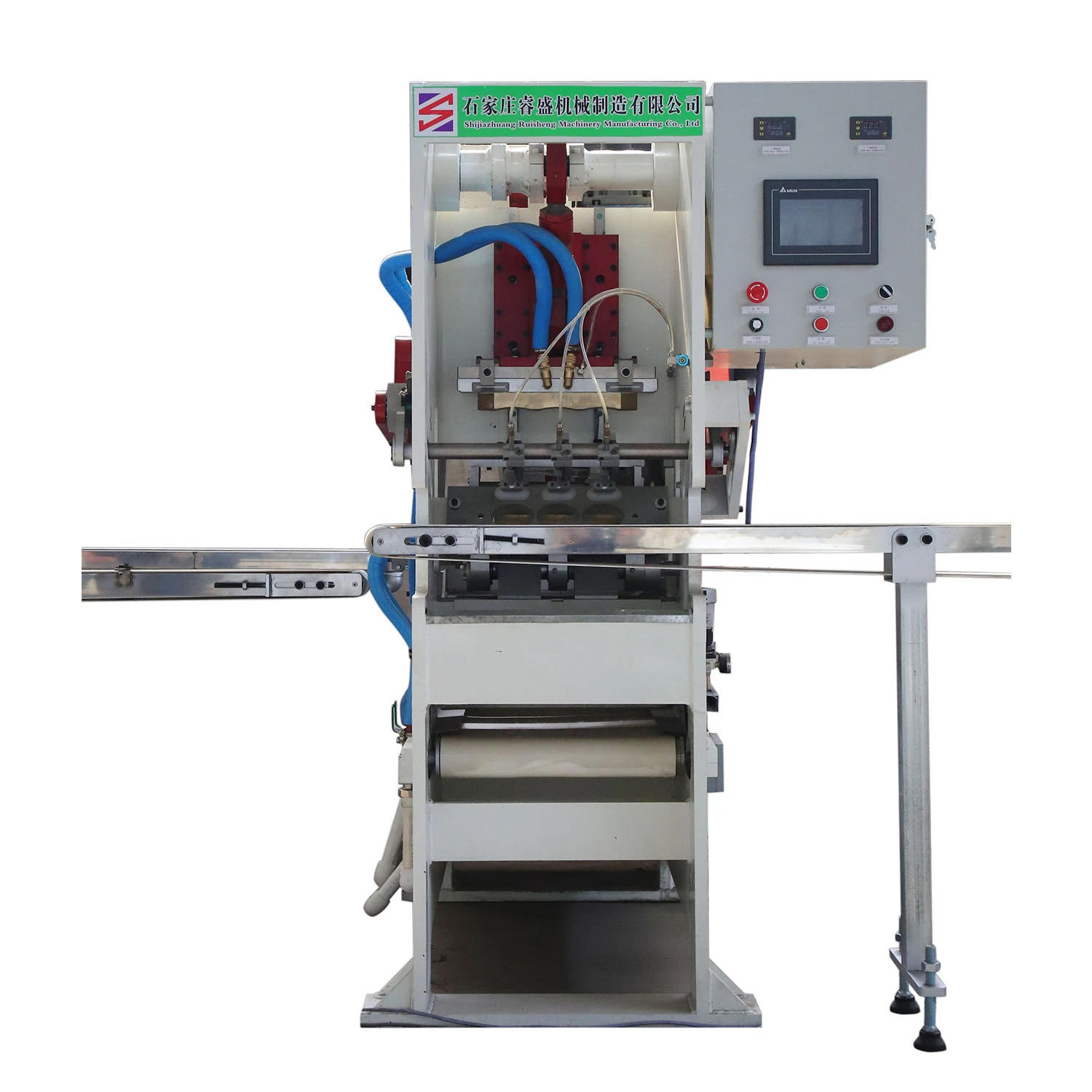
Stability is the unsung hero of soap manufacturing. High-pressure grinding and mixing tasks generate significant vibration, which can lead to mechanical fatigue if the equipment is not built for durability. A professional small scale soap making machine must feature a heavy-duty frame to maintain operational stability. For instance, robust designs utilizing high-density steel frames ensure that the machine remains stationary during intensive operation, reducing the risk of accidents and improving the precision of the finished product. This structural reliability is what separates professional-grade machinery from hobbyist tools, ensuring a long lifecycle even under continuous production cycles.
Expert Insight: Heavy-duty frames not only enhance safety but also minimize noise pollution in the factory, creating a more sustainable working environment for operators.
Optimizing Space with a Small Scale Soap Making Machine
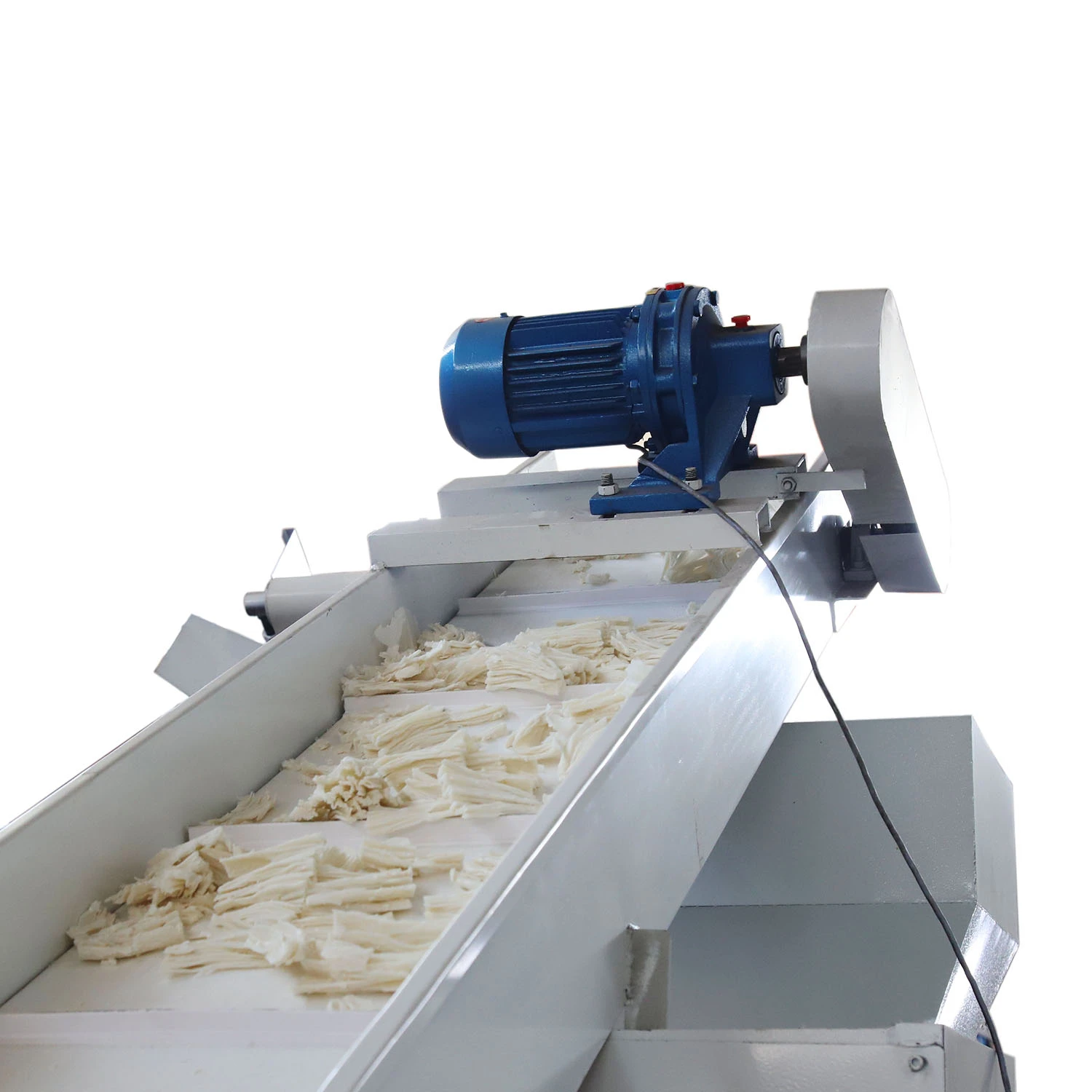
For many startups, factory floor space is a premium resource. The beauty of a small scale soap making machine lies in its compact footprint relative to its power. Modern engineering allows for machines that are substantial enough to withstand high pressure but slim enough to fit into standard warehouse layouts. By optimizing the dimensions, manufacturers can integrate multiple stages—mixing, grinding, and cutting—within a limited area, streamlining the workflow and reducing the time spent moving materials between stations.

Comparing Automation Levels in Soap Machinery
Deciding between manual, semi-automatic, and fully automatic systems is a critical step. While manual processes offer maximum control over small batches, they are labor-intensive and prone to human error. A semi-automatic small scale soap making machine provides the ideal middle ground, automating the most strenuous parts of the process—such as the Three-Bar grinding stage—while allowing human oversight for quality control and scent addition.
Technical Specifications of the S405 Grinder
A key component of a small scale soap making machine setup is the grinder, which refines the soap base into a smooth, homogeneous texture. The Three-Bar Grinder (S405) is a prime example of engineering balance. By combining a massive 5218 kg weight for stability with a manageable footprint, it allows for continuous, high-pressure operation without shifting or vibrating excessively. This ensures that the grinding process is seamless, preventing air pockets and inconsistencies in the final soap bar.
Industry Applications for Compact Soap Machinery
The versatility of the small scale soap making machine makes it a vital asset across various sectors of the chemical and hygiene industry. In the daily chemical sector, it is used to create high-end skincare bars. In industrial settings, it helps produce specialized cleaning agents. Environmental protection firms also utilize these machines to create biodegradable soap options. The ability to pivot production quickly—changing fragrances or additives between batches—gives small manufacturers a competitive edge over large-scale factories that struggle with agility.
Maintaining Your Soap Making Equipment
To ensure the longevity of your small scale soap making machine, a rigorous maintenance schedule is essential. Because soap production involves fats, oils, and caustic agents, residue build-up can occur. Regular cleaning of the grinding bars and lubricating the heavy-duty frame prevents corrosion and mechanical wear. Monitoring vibration levels is also key; since the S405 is designed for stability, any new vibration may indicate a need for calibration. Proper maintenance not only protects your investment but also ensures that every bar of soap meets strict quality standards.
Conclusion: Scaling Your Soap Business Safely
Investing in a small scale soap making machine is the most effective way to bridge the gap between manual craft and industrial production. By focusing on structural durability, spatial efficiency, and precise technical specifications, you can create a production line that is both dependable and scalable. Whether you are prioritizing high-pressure grinding or streamlined factory layouts, the right equipment ensures that your product remains consistent and your operation remains profitable.
Frequently Asked Questions (FAQs)
Is a small scale soap making machine suitable for a home-based business?
While these machines are "small scale" compared to industrial plants, they are designed for professional environments. A machine like the S405 weighs over 5,000 kg and requires a reinforced concrete floor and industrial power supply. For a home-based business, we recommend starting with semi-automated tabletop equipment, but as soon as you move to a dedicated studio or small warehouse, a professional small scale soap making machine is essential for commercial viability.
How does the weight of the machine affect the quality of the soap?
Weight equals stability. In soap grinding, any vibration caused by a lightweight frame can lead to uneven pressure on the soap bars, resulting in "grainy" textures or air bubbles. A heavy-duty machine ensures that the grinding bars maintain a constant, precise gap, which is critical for achieving that smooth, professional finish associated with high-end soap brands. Stability directly correlates to the homogeneity of the final product.
What is the typical lifespan of these machines?
With proper maintenance, a high-quality small scale soap making machine can last for 10 to 20 years. The heavy-duty steel frames are designed to withstand decades of use. The primary wear-and-tear components are the grinding bars and bearings, which are easily replaceable. Regular lubrication and cleaning of caustic residues are the most important factors in extending the operational life of your equipment.
Can I use one machine for different types of soap?
Yes, these machines are highly versatile. Whether you are producing transparent glycerin soap, opaque laundry soap, or luxury beauty bars, the mechanical process of refining and grinding remains similar. The key is to ensure a thorough cleaning between different scent profiles or color batches to avoid cross-contamination. The flexibility of a small scale system allows you to switch product lines quickly to meet seasonal market demands.